Instalments without a bank account in Egypt

Egypt has 55.5 million e-wallets and credit cards in barely 3% of adult hands. Here is how instalments work when you have no bank account at all — who accepts you, how you pay, and what still needs a bank.
Yes — you can pay in instalments in Egypt without a bank account. Instalment apps verify you with your national ID and a selfie, and repayment runs through the app itself, an e-wallet, or a cash payment point.
This guide covers who accepts you without an account, exactly how you repay, and what genuinely still needs a bank.
Why a bank was never the requirement
Search for instalments without a bank account and the results are all banks. That makes sense from their side — a bank doesn't serve someone who has no account with it. It just doesn't answer your question.
The numbers show the size of the gap: only about 3% of Egyptian adults hold a credit card, while e-wallets have passed 55.5 million, and financial inclusion has reached roughly 76%.
So the overwhelming majority have a digital way to pay but no bank credit instrument. Digital instalments were built for exactly that gap.
Which is why the market is growing fast: consumer finance in Egypt reached EGP 96.27 billion in 2025, up 57%, according to the Financial Regulatory Authority.
What is asked of you instead
| Required | Why |
|---|---|
| A valid national ID | Identity and age |
| A liveness selfie | Stops anyone using a photo of your ID if it's lost |
| A mobile number in your name | The official channel, and it ties to your account |
| 18 or over, resident in Egypt | Legal requirement |
Not required: a credit card · a bank account · a salary transfer · a bank statement · an employer letter
How you repay without an account
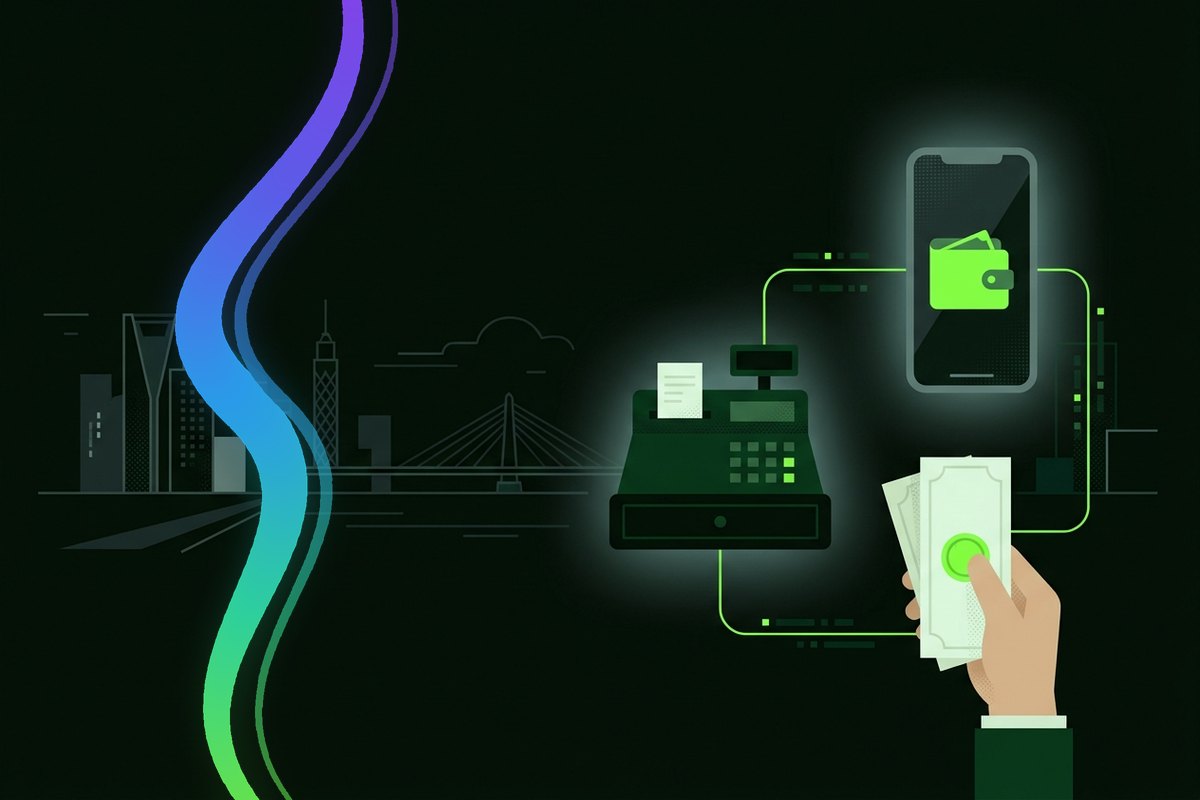
Three common routes, varying by provider:
From the app directly — link an e-wallet and the instalment is taken from it on the due date.
At payment points — Fawry, Masary and similar. You quote your account number and pay in cash.
From a mobile wallet — the mobile operators' wallets accept payment to contracted providers.
Ask before you apply: "What repayment methods are available?" A provider that accepts you without an account but requires repayment by bank transfer is no use to you.
What still needs a bank
To be straight about it: not everything works without one.
- Large amounts from consumer finance companies usually require an account and proof of income.
- Car and property financing generally runs through a banking route.
- Some in-store offers tied to a specific bank.
So: instalments without a bank account are real and workable, but in the small-to-mid purchase range. The average instalment purchase in Egypt is around EGP 6,900 — precisely the apps' territory.
Things to watch
- The late fee. There is no binding legal cap in Egypt, so it varies widely. Get the figure before you sign.
- The commitment is recorded. Reporting to I-Score is mandatory once your limit is approved — account or no account.
- Coverage. Many apps start in specific cities. Check yours is served.
- Disclosure is your right. A licensed provider must state the financing amount, fees and total due before you contract.
Working out the cost
Monthly payment × number of months = the total. Compare it with the cash price; the difference is the cost in pounds.
The method is the same whether you bank or not — the detail is in our complete guide to instalments in Egypt.
A worked example
Say you want a washing machine at EGP 9,500 cash, and you have no bank account.
You download an instalment app, verify with your ID and a selfie, and receive a limit of EGP 12,000. The app offers two plans:
| Plan | Payment | Total | Cost of the plan |
|---|---|---|---|
| 3 months | 3,250 | 9,750 | EGP 250 |
| 5 months | 2,050 | 10,250 | EGP 750 |
The second plan's payment is EGP 1,200 lower each month — but the total is EGP 500 higher. Choose on the total and on what you can carry, not on the smallest payment.
If your application is rejected
A rejection without a bank account doesn't mean a permanent no. The usual causes:
The ID photo. Glare or a cropped corner. Shoot on a dark matte surface with side light, whole card in frame.
The selfie. Take off glasses, face a light source rather than standing in front of one, follow the movement exactly.
The number isn't in your name. Verification ties the number to the ID; a mismatch stops the application immediately.
Your city isn't covered. Nothing to do but wait for expansion.
Too many existing commitments. Live instalments elsewhere reduce your chance. Clear what you owe first.
Growing your limit over time
A limit isn't fixed. The clearest signal any provider reads is payment on time, and limits are revised upward as that record builds.
- Pay a day or two early rather than on the day.
- Don't open several plans in one month.
- Close a plan before starting the next where you can.
- Keep total monthly payments at a level you could still carry if your income slipped a month.
The point people miss: a large limit isn't a win in itself. The win is being able to repay comfortably.
The wider picture: why this became possible
Per the Financial Regulatory Authority, consumer finance in Egypt reached EGP 96.27 billion in 2025, up 57%, with beneficiaries passing 7.5 million.
That figure is impossible to reach through bank account holders alone. The growth came from routes built on an ID and a phone — not on an account.
Which makes "is it possible without an account?" a question that now trails the market itself.
Read next
- Instalment requirements in Egypt — what each route asks for.
- Instalments without proof of income
- Where to pay in instalments in Egypt
- The complete guide to instalments in Egypt
Wallet versus bank account
People often conflate the two, and the difference matters here:
A mobile wallet opens with a phone number and an ID, with no branch visit and no minimum balance, and is used for transfers and payments.
A bank account takes a longer process and sometimes a minimum, and opens other doors like credit cards and loans.
For instalments: a wallet is usually enough, because what's needed is a reliable way to repay, not a particular account.
But note: there's a difference between repaying from a wallet and a provider requiring a bank account. Ask which repayment methods are accepted before applying — it saves time.
Where Lucid fits
Lucid asks for no bank account, no credit card and no salary transfer — a national ID and a selfie, with a decision in under 10 minutes during working hours.
Plainly stated: coverage is currently Cairo, Giza and Alexandria only, and there is a late fee, disclosed before you agree.
This article is general information, not financial advice.
Frequently asked questions
Can I pay in instalments without a bank account?
Yes. Most instalment apps in Egypt verify you with a national ID and a selfie, and repayment runs through the app, an e-wallet, or a cash payment point such as Fawry.
What exactly do I need?
A valid national ID, a mobile number in your own name, to be 18 or over, and residency in Egypt. No credit card, bank account or bank statement.
How do I repay without an account?
Three common routes: deduction from an e-wallet linked to the app, cash at payment points like Fawry, or a mobile wallet. Ask which are available before applying.
Is my limit lower without a bank account?
Not necessarily. The limit follows your eligibility assessment rather than whether you bank, and it grows as you pay on time.
Do these instalments appear on my I-Score?
Yes. Reporting to I-Score is mandatory once your limit is approved, regardless of a bank account. On-time payment builds your record; delays are recorded.
What doesn't work without a bank account?
Large amounts from consumer finance companies usually need an account and proof of income, as do car and property financing, and some in-store offers tied to a particular bank.
Can I use only a mobile wallet?
Some providers accept this. The wallet is for repayment, not assessment — assessment runs on your ID and identity verification.
How is this different from instalments without a credit card?
They overlap closely. A card is a credit instrument; a bank account is a payment and holding instrument. Most apps require neither. See instalments without a credit card.
I'm a student with no account — can I apply?
Possibly. Apps assess eligibility in alternative ways. See instalments for students.
What happens if I'm late?
You incur a late fee and the delay is recorded on your I-Score. There is no binding legal cap on that fee in Egypt, so find out the figure before signing.
How do I know a provider is serious?
It must disclose the financing amount, fees, annual rate, administrative costs and total due before you contract. If anyone refuses to write down the total, that alone is your answer.
Is this available across all of Egypt?
It varies. Many apps start in Cairo, Giza and Alexandria and expand. Check your city is covered before spending time on an application.
How much can I finance without a bank account?
It varies by provider and your assessment. The average instalment purchase in Egypt is around EGP 6,900, comfortably within the apps' range.